Tesla Sets End-of-Year Target for Cybercab Sales
Tesla executives confirmed that the first customer deliveries of the autonomous two-seater will begin before 2026 concludes, though most units will initially remain in the company's own robotaxi fleet.
By Sofia Ramirez ·
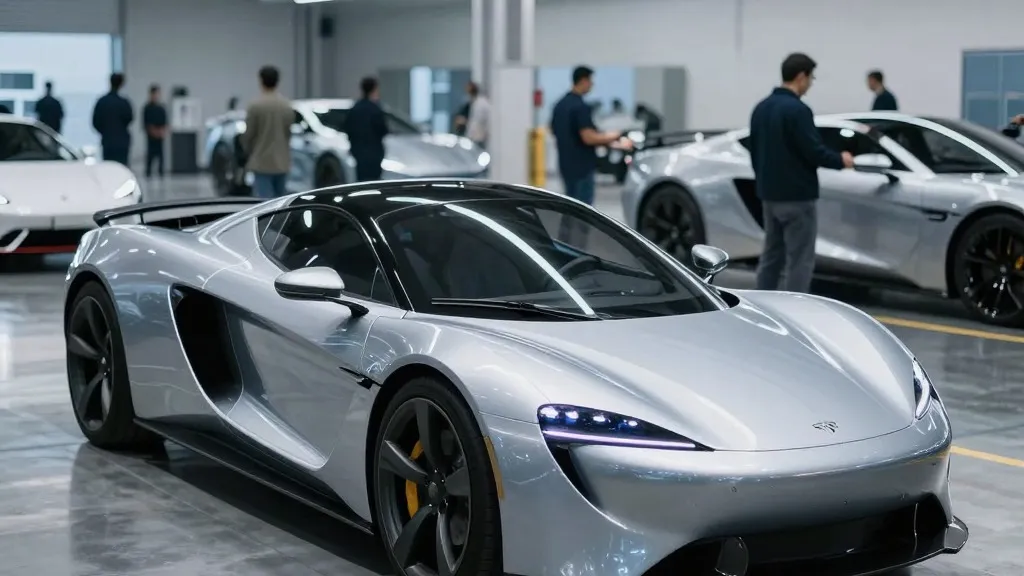
Tesla has officially set a deadline for when the public can first purchase the Cybercab: by the end of 2026. This announcement, made during the company’s third-quarter earnings call on October 21, brings a definitive end to months of speculation regarding the timeline for the fully autonomous, purpose-built vehicle.
During the call, Lars Moravy, Tesla’s Vice President of Engineering, stated that the company is aiming to have units in the hands of customers before the year is out. He clarified that while production is actively underway on the line at Gigafactory Texas, every vehicle currently rolling off that line is being allocated to Tesla’s internal Robotaxi fleet rather than sold to private buyers.
Moravy explained the strategic rationale behind this approach. As operations scale, Tesla plans to primarily deliver fully designed autonomous vehicles to customers, with the Cybercab serving as the inaugural model. The initial wave of customer deliveries will be modest in size, a deliberate move to allow the company to refine its logistics, ownership models, and fleet management systems while operating autonomous vehicles outside of its direct corporate control.
CEO Elon Musk reinforced the idea that private ownership is not the primary goal for this specific vehicle. He described the Cybercab as a "transport-as-a-service" offering, distinguishing it from personal vehicles like the Model 3, Model Y, or the upcoming Roadster. According to Musk, the vast majority of Cybercabs will remain Tesla-owned, functioning as part of the shared mobility network rather than as individual assets for drivers.
The Cybercab itself is a unique two-seater design that lacks traditional controls such as a steering wheel or pedals. It relies entirely on Tesla’s Full Self-Driving technology. Production of the vehicle began in February of this year, and early units have been integrated into the Robotaxi service since early September, when the company officially launched public rides.
Tesla has previously indicated that the target price for these vehicles is approximately $30,000. This pricing structure is designed to support the service model, making the cars affordable for the company to operate at scale while providing a cost-effective alternative for passengers who do not wish to maintain their own vehicles.
Looking beyond the immediate Cybercab rollout, Tesla’s Head of AI, Ashok Elluswamy, provided a timeline for broader autonomous capabilities. He indicated that unsupervised Full Self-Driving is expected to ship to consumer cars during the second quarter of 2027. This suggests that while the Cybercab is hitting the market first, the technology will soon be integrated into the company’s standard lineup.
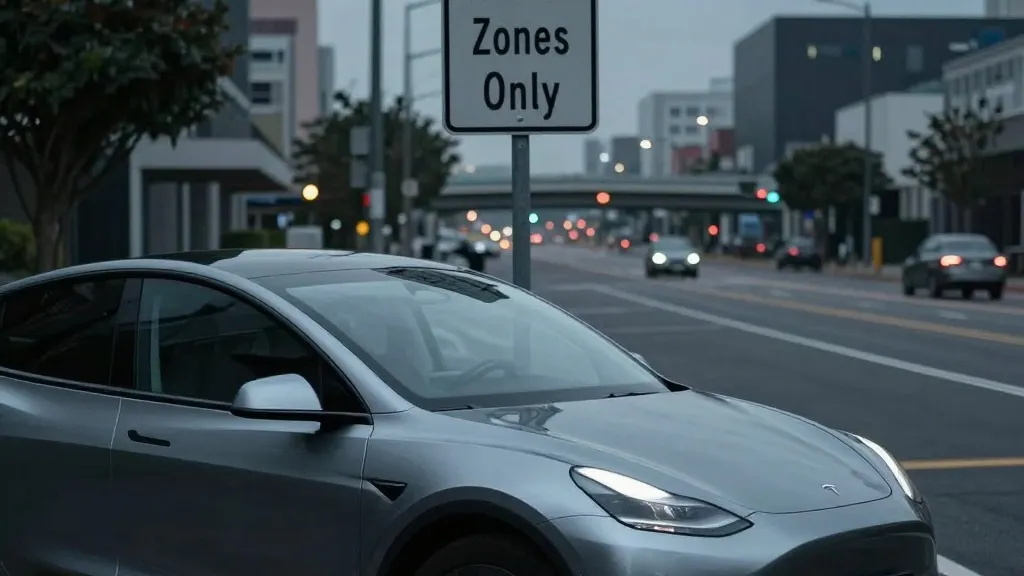
However, the path to widespread adoption is not without obstacles. Early buyers or fleet operators may find that the autonomous operation of their vehicles is geographically restricted. These limitations are largely due to the pace of regulatory agencies, which often lag behind the speed of technological deployment.
Despite these hurdles, the confirmation of a year-end delivery date marks a significant milestone. It shifts the Cybercab from a concept in testing to a tangible product with a set release window. For consumers in the Great Lakes and Ohio Valley regions, this means that the wait for a driverless ride in a purpose-built autonomous vehicle is now measured in weeks rather than years, provided the scaling of deliveries proceeds as planned.
The next step for Tesla is to balance the rapid expansion of its robotaxi fleet with the careful onboarding of private customers. The company must ensure that the infrastructure for maintenance, insurance, and customer support is ready to handle a new class of vehicles that are designed to drive themselves. As the calendar turns toward the final months of 2026, the focus will be on executing this transition smoothly.
Source: Teslarati