6,000 connectors: The new metric defining Anthropic's enterprise push
Anthropic’s new Claude Duet app targets professional workflows rather than personal errands, leveraging a massive integration library to handle complex business tasks in the background.
By Valentina Cruz ·
As of late October 2026, the competitive landscape for artificial intelligence has shifted sharply toward specialized agents capable of executing complex workflows. Anthropic has entered this crowded market with the launch of Claude Duet, a new application designed specifically for professionals and small businesses. The release marks a strategic pivot for the company, moving beyond general-purpose chat interfaces to a tool that prioritizes automation and task management within a professional context.
The core of this new offering is its depth of integration. Anthropic has positioned Duet as a system built on the Claude Opus 5.5 model, which can connect to more than 6,000 distinct connectors and plug-ins available through the Claude Marketplace. This extensive connectivity is the defining feature of the product, allowing it to interact with a wide array of third-party services. By offering this scale of interoperability, the company aims to make the agent a central hub for business operations rather than a standalone communication tool.
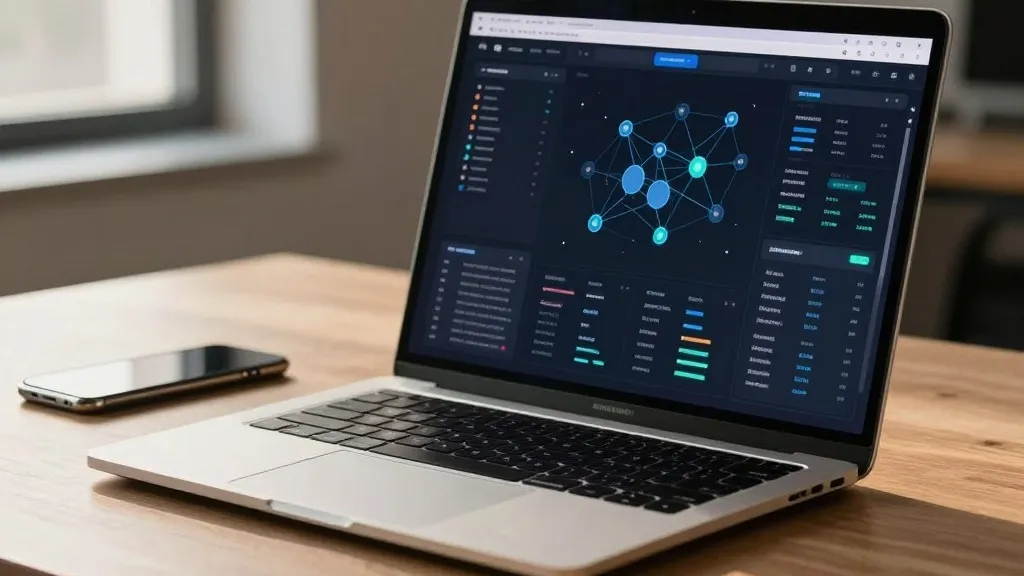
This approach distinguishes Duet from several of its contemporaries, including Meta Muse, OpenAI Dots, Hark, Instinct, Grok Bot, and Fo. While the broader market is flooded with personal and productivity assistants launching weekly, Anthropic is making a deliberate distinction between personal and professional use cases. The company explicitly notes that Duet is not designed to handle casual errands, such as booking tickets, nor does it provide a live visual feed of its browser activity. Instead, it is engineered to build daily briefings, create data dashboards, and suggest strategic actions based on the user’s existing information.
The operational model of the agent relies on background processing. Much like other advanced agents, Duet executes tasks within its own virtual machine while the user continues with other work. It operates autonomously until it encounters a decision point that requires human input, at which point it pauses and requests approval. This asynchronous workflow is intended to reduce friction for busy professionals who need results without constant oversight. The proactive nature of the system means it monitors ongoing tasks and delivers recommendations as they become relevant, rather than waiting for a direct prompt.
A significant component of this launch involves how the agent handles financial transactions. Duet can make online purchases on behalf of the user through integrations with Stripe’s Link digital wallet or Shopify’s Shop Pay. However, the company has established clear boundaries to manage risk. Sensitive steps, particularly those involving payments, require explicit user approval. Furthermore, the agent is restricted from trading securities or moving money between bank accounts, a limitation that signals a cautious approach to financial autonomy.
Security considerations are central to the product’s design, reflecting the sensitive nature of business data. Anthropic has introduced a new classifier that scrutinizes each message to prevent the leakage of confidential information. By default, the agent is programmed to decline requests for highly sensitive details, such as credit card numbers or government identification numbers. This layer of defense is intended to build trust among business users who may be hesitant to grant an AI agent access to their operational data.
The timing of this launch coincides with a broader industry trend where the focus is shifting from simple assistants to agents that work on behalf of the user. Many of Anthropic’s competitors are also emphasizing business use cases. For instance, while Meta’s Muse is primarily a personal assistant, the company has released a variant tailored for small businesses with deeper app connections. Similarly, OpenAI’s Dots has a business-oriented slant, integrating with various professional tools. Anthropic appears to be responding to this trend by doubling down on the enterprise and small-business segment.
Currently, Claude Duet is available in research preview for Pro and Max customers via the Claude.ai web platform and as a mobile application for iOS and Android. Access is not yet open to all users; instead, individuals must join a waitlist to test the system. This phased rollout allows the company to gather feedback and refine the agent’s performance before a wider release. The emphasis on a waitlist suggests that Anthropic is prioritizing stability and user experience during this initial period.
The introduction of Claude Duet highlights the evolving expectations for AI tools in the workplace. Users are no longer satisfied with agents that merely answer questions; they expect systems that can manage processes, integrate with existing tech stacks, and deliver tangible outcomes. By focusing on a vast library of connectors and a secure, background-operating architecture, Anthropic is attempting to define the next standard for professional AI assistance. The success of this approach will likely depend on how well the agent balances autonomy with the need for human oversight in critical business functions.
Source: TechCrunch